The Ultimate Commercial Meat Slicer Guide: Start Your Home Deli Business Successfully

Dream of running your own deli without expensive overhead? A commercial meat slicer transforms your home kitchen into a profitable food preparation business. This complete guide shows how the right meat slicer for home business enables you to create perfect deli sandwiches, fresh salads, and prepared foods for local customers. With professional meat slicing efficiency and consistent results, you can build a sustainable home-based food business that rivals commercial operations in quality while maintaining low startup costs.
Table of Contents
Why a Commercial Meat Slicer is Essential for Home Food Businesses
Professional meat slicing equipment provides four critical advantages for home-based food preparation businesses:
- Commercial Efficiency: Slice 1 pound of ham in 60 seconds versus 20 minutes by hand
- Consistent Quality: Uniform slices ensure professional presentation and texture
- Cost Savings: Reduce ingredient costs by 30-50% compared to pre-sliced deli meats
- Food Safety Control: Maintain complete oversight of ingredient quality and preparation hygiene
A heavy duty meat slicer transforms these advantages into profitable operations, allowing you to compete with established delis and restaurants through superior quality and competitive pricing.
Professional Features That Make Home Business Success Possible
High-Power Commercial Performance
The 200W meat slicer motor delivers commercial-grade capabilities:
- Continuous Operation: Run for 60+ minutes without overheating
- Bulk Processing: Handle 5kg batches efficiently
- Versatile Cutting: Process ham, turkey, chicken, bacon, and cheeses
- Commercial Speed: 2 slices per second for high-volume preparation
Precision Slicing Technology
Achieve professional results with adjustable thickness meat slicer features:
- 0-15mm Thickness Range: Perfect for delicate sandwich slices (1-2mm) or hearty salad cuts (3-5mm)
- 7.5-Inch Stainless Blade: Professional-grade sharpness maintains edge through continuous use
- Clean Cuts: Preserve meat integrity and extend product shelf life
- Consistent Results: Every slice matches the previous for uniform presentation
Business-Ready Safety and Cleanliness
Operate safely and maintain commercial kitchen standards with:
- Child Safety Lock: Prevent accidental operation during family hours
- Removable Parts: Easy disassembly for thorough cleaning
- Stable Base Design: Minimizes vibration during continuous use
- Food-Grade Materials: All surfaces meet food preparation requirements
Two Profitable Business Models Made Possible
1. Premium Sandwich Preparation Service
Create professional deli sandwiches with commercial precision:
Product Offering:
- Uniformly sliced premium meats (1-2mm thickness)
- Perfectly portioned cheese slices
- Fresh vegetable accompaniments
- Artisan bread options
Business Advantages:
- 60%+ profit margins on $12-15 sandwiches
- Standardized presentation builds brand consistency
- Bulk preparation supports community group orders
- Superior quality justifies premium pricing
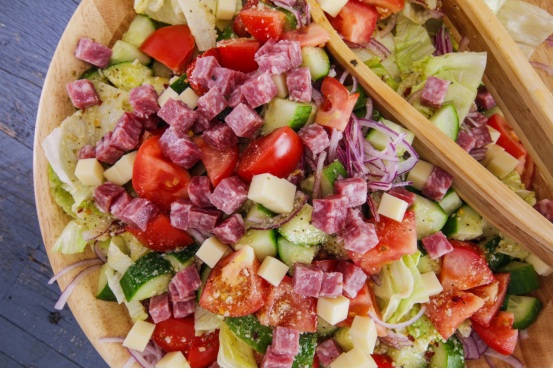
2. Fresh Salad Preparation Business
Offer prepared salads with restaurant-quality ingredients:
Product Offering:
- Uniformly sliced chicken, turkey, or steak (3-5mm thickness)
- Fresh, crisp vegetables
- Premium dressings in separate containers
- Complete meal solutions for busy professionals
Business Advantages:
- $3000+ monthly profit potential at 20 orders daily
- Extended freshness through clean slicing techniques
- Ideal for health-conscious and fitness markets
- Perfect for office catering and regular subscriptions
Cost Analysis and Profit Potential
Startup Investment Breakdown
- Commercial Meat Slicer: $100-150 (lasts 3-5 years with proper maintenance)
- Quality Ingredients: 30% savings through wholesale purchasing
- Packaging Materials: $0.50 per serving for professional presentation
- Total Initial Investment: Under $500 for complete setup
Monthly Profit Scenarios
Retail Focus (Direct to Consumer):
- 15 orders daily at $10 average order value
- 60% gross profit margin
- $2,700 monthly gross profit
- $2,200 net profit after expenses
Wholesale Model (Supplying Local Businesses):
- 500 units monthly to cafes and convenience stores
- Lower per-unit margin but higher volume
- $1,500-2,000 monthly net profit
- Stable, predictable income stream
Advanced Business Growth Strategies
Product Diversification
Expand beyond basic deli meat slicing to increase revenue:
- Custom Thickness Services: Offer ultra-thin slices for specific dietary needs
- Cheese and Charcuterie Boards: Create premium party platters
- Jerky and Dried Meats: Utilize meat slicer for jerky capabilities
- Vegetable Preparation: Slice vegetables for stir-fry kits and meal prep
Marketing and Customer Acquisition
Build your home food business effectively:
- Video Content: Showcase your professional slicing techniques on social media
- Community Engagement: Participate in local farmers markets and food events
- Sampling Programs: Offer free samples to build initial customer base
- Subscription Models: Create regular delivery services for consistent income
Quality and Safety Protocols
Maintain professional food standards in your home kitchen:
- Proper Storage: Implement first-in, first-out inventory management
- Temperature Control: Maintain proper refrigeration throughout process
- Cleanliness Standards: Follow commercial kitchen cleaning protocols
- Documentation: Track ingredient sources and preparation dates
Operating Tips for Maximum Efficiency
Workflow Optimization
- Batch Processing: Prepare multiple orders simultaneously
- Efficient Layout: Organize workspace for minimal movement
- Timing Coordination: Schedule preparation around delivery times
- Quality Control: Implement regular checks throughout process
Equipment Maintenance
- Regular Cleaning: Disinfect after each use to prevent cross-contamination
- Blade Care: Maintain sharpness for clean cuts and food safety
- Safety Checks: Regularly inspect electrical components and safety features
- Proper Storage: Protect equipment when not in use
Business Management
- Inventory Control: Track ingredient usage and reorder points
- Pricing Strategy: Balance competitive pricing with profit margins
- Customer Service: Build relationships for repeat business
- Financial Tracking: Monitor expenses and income for business health
Frequently Asked Questions for Home Food Entrepreneurs
Is a commercial meat slicer too loud for home use?
Modern electric meat slicers operate at conversation-level volume (≤65 dB), making them suitable for residential environments without disturbing neighbors.
How difficult is cleaning and maintenance?
Easy clean meat slicers feature removable components that simplify the cleaning process. Most models require only 5 minutes for complete sanitation between uses.
What foods can I prepare beyond deli meats?
A versatile commercial grade slicer handles cheeses, breads, vegetables, and even fruits, allowing for diverse product offerings beyond traditional deli items.
Are there legal considerations for home food businesses?
Most areas allow limited home food preparation for direct sales. Focus on home-based food business models that emphasize freshness, quality, and direct customer relationships while maintaining proper food safety practices.
How do I price my products competitively?
Calculate ingredient costs, add packaging expenses, factor in your time, then apply standard food industry markup percentages (typically 2.5-3.5x cost).
Launch Your Home Food Business Successfully
A professional meat slicer represents more than just equipment—it’s the foundation of a sustainable home-based food business. By combining commercial capabilities with home kitchen flexibility, you can create products that compete with established food service operations while enjoying the benefits of low overhead and direct customer relationships.
Start your home deli business with our commercial-grade meat slicer designed specifically for small business success. With professional features at a home-friendly price point, it’s the perfect tool to launch your food preparation venture.
Ready to turn your culinary skills into a profitable business? Share your specific food business ideas or questions below, and I’ll provide customized advice for your home-based food preparation venture.