The Superfood Salad Secret: Using a Meat Slicer for Perfect Kale & Beetroot

The American superfood salad, packed with nutrient-dense ingredients like kale and beetroot, is a cornerstone of healthy eating. But achieving the ideal texture—crisp, tender kale and uniformly thin beetroot slices—can be tedious and inconsistent with a knife. The solution is surprisingly simple: a meat slicer. This versatile kitchen tool isn’t just for deli meats; it’s the key to preparing perfect salad ingredients with speed, consistency, and safety. This guide shows you how a home meat slicer transforms your salad prep, making healthy eating more efficient and enjoyable.
Table of Contents
Why Uniform Slices Matter for Superfood Salads
Texture is everything in a satisfying salad. Kale, with its tough fibers, can be unpleasantly chewy when cut too thick. Beetroot, dense and firm, yields an inconsistent, sometimes woody bite when sliced unevenly. Uniform slicing solves these problems. Thin, consistent kale leaves become tender and readily absorb dressings, while even beetroot slices cook evenly and deliver a consistent sweet, earthy flavor in every bite.
Beyond texture, presentation and nutrition benefit. Aesthetically, uniform slices create a visually appealing dish. Nutritionally, thinner, consistent pieces increase the surface area exposed to digestive enzymes, potentially improving the absorption of kale’s vitamins K, A, and C, and beetroot’s beneficial compounds like betalains and folate.
The Meat Slicer Advantage: Precision and Efficiency for Vegetables
While designed for meat, a commercial meat slicer for home use excels with firm vegetables. Its primary advantage is adjustable thickness control. A dial allows you to set the exact slice thickness, from paper-thin to nearly half an inch. For kale, a 1-2mm setting yields perfect, tender ribbons. For beetroot, 2-3mm creates slices that are substantial yet delicate. This precision is impossible to replicate consistently with a knife.
Speed and efficiency are game-changers for busy healthy eaters. What takes 10 minutes of careful knife work can be done in under a minute with a slicer. Processing a whole bunch of kale or several beetroots becomes a quick task, removing a major barrier to preparing fresh, wholesome meals daily.
Safety and ease of use are often overlooked. A quality electric meat slicer features safety guards and a stable food pusher, keeping fingers far from the blade. Slicing hard vegetables like beetroot becomes safe and effortless, eliminating the risk of knife slips. Cleanup is also straightforward, with removable, dishwasher-safe parts in many models.
Step-by-Step: Slicing Kale and Beetroot with Your Slicer
Using your meat slicer for vegetables is a simple process. Begin with proper prep. For kale, remove the tough central stems and wash and thoroughly dry the leaves. For beetroot, peel and trim the ends, then cut into chunks that will fit securely against the slicer’s carriage.
Set your desired thickness on the machine. Assemble the slicer according to its manual, ensuring the blade is secure. Turn it on and feed the prepared vegetables through using the food pusher, applying gentle, consistent pressure. For kale leaves, stack a few together for efficiency. Collect the perfectly uniform slices as they fall.
Immediately toss your kale ribbons and beetroot slices with other superfood ingredients—quinoa, avocado, nuts, and a light vinaigrette. Clean the slicer promptly by unplugging it, removing the blade guard and tray for washing, and wiping the body with a damp cloth.
Beyond the Salad Bowl: Expanding Your Healthy Repertoire
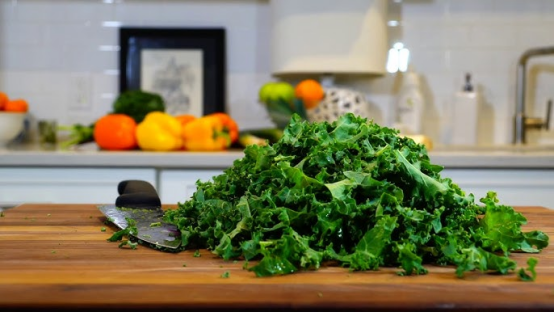
A kitchen meat slicer unlocks numerous healthy eating applications. Use it to create zucchini or carrot “noodles” for low-carb meals, slice apples and pears paper-thin for elegant fruit platters or dehydrating, or prepare uniform slices of roasted turkey or lean beef for healthy sandwiches and lunch bowls. It’s a tool that encourages culinary creativity while supporting a nutritious diet.
Choosing the Right Slicer for Your Kitchen
For home salad prep, a compact home meat slicer is ideal. Look for a model with a powerful motor to handle dense vegetables, a range of thickness settings, and easy-to-clean components. Safety features like a non-slip base and a clear blade guard are essential. Consider a slicer that comes with a sturdy food pusher and a variety of blade options for maximum versatility.
Conclusion: Elevate Your Healthy Eating with the Right Tool
Incorporating a meat slicer into your kitchen routine is a strategic upgrade for anyone committed to healthy eating. It transforms labor-intensive prep into a quick, consistent, and safe process, ensuring your superfood salads are always restaurant-quality. This tool proves that eating well doesn’t have to be time-consuming or difficult—it can be efficient, enjoyable, and beautifully presented.
To start creating perfect superfood salads with ease, you can find a versatile and easy-to-use home meat slicer perfect for vegetables here. It’s an investment that pays for itself in saved time and elevated everyday meals.